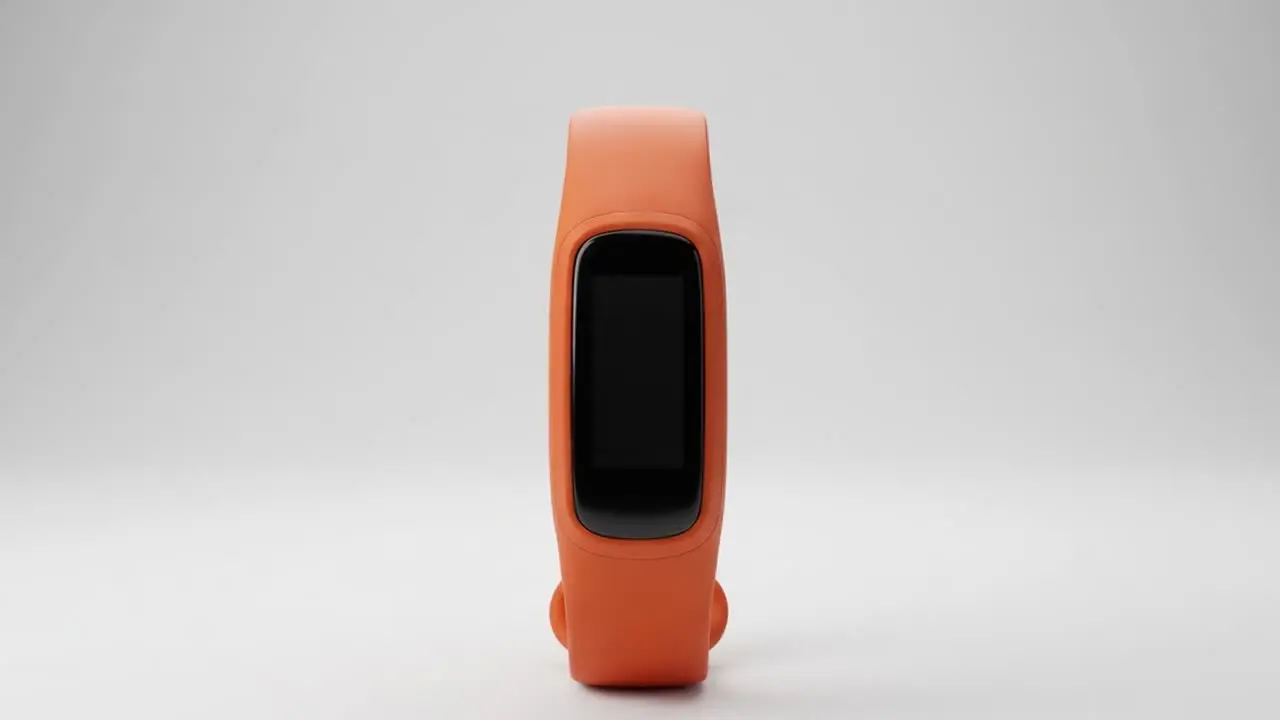
There is a version of this company that is much easier to explain. One platform, one set of models, two form factors: the same competence that notices a child needs help notices a doorbell for somebody who cannot hear it. It is a good story. It is the story a deck wants.
It is not what we have built, so it is not what this site says.
Why they are separate
The two products share a company, a set of convictions about who a product is for, and a great deal of hard-won knowledge about making wearable hardware that people will actually live with. They do not share a stack. The problems are different problems, the signals are different signals, and the people are different people with different definitions of a useful answer.
Forcing them onto one platform would mean one of them inheriting decisions that were right for the other. That is how products end up almost-fitting the person they were supposed to be for.
Why we bother saying it
Because a shared-platform claim is the first thing a technical due diligence tests, and the answer takes about an hour to find. Claiming it buys a slightly better first meeting and costs the second one. We would rather have the second meeting.
The same instinct runs through the rest of this site. Curio X and Vibe are both in development. Where a capability, number or product detail is not final, we say so instead of filling the gap with something that merely sounds plausible.
We will share availability and final product details when they are ready rather than presenting unfinished work as something already on the shelf.