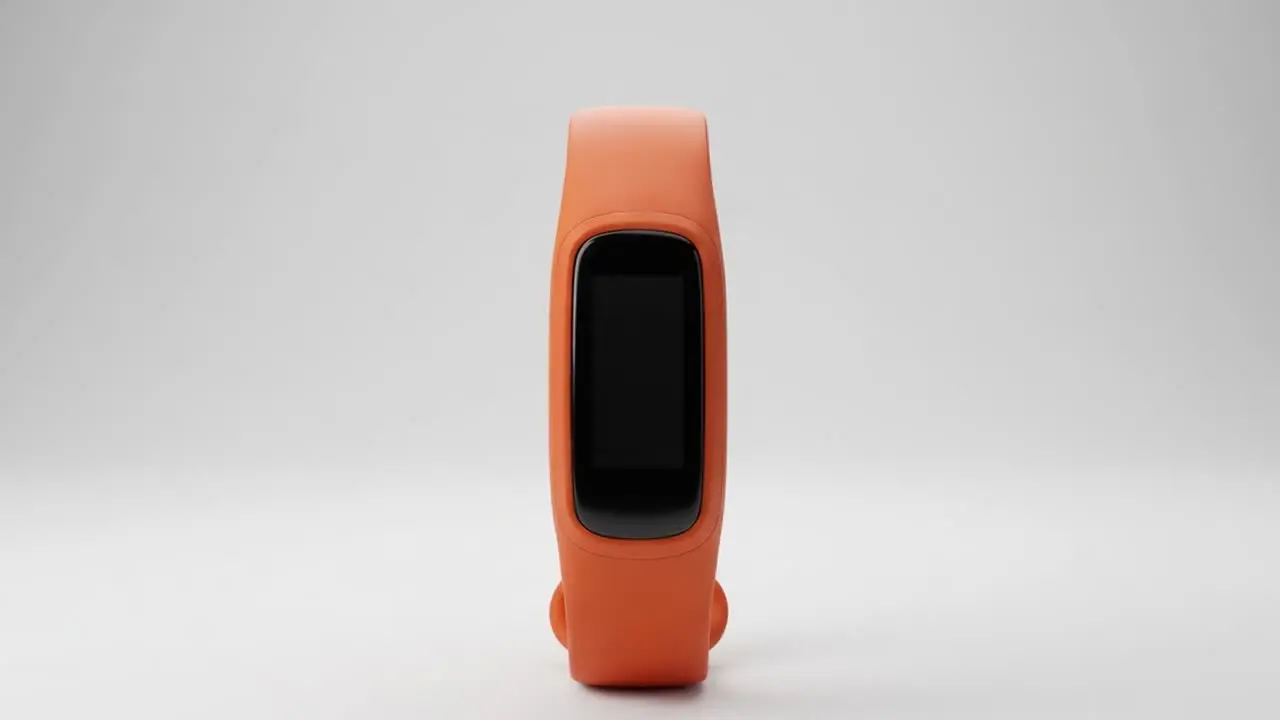
There are two people in this transaction and they want different objects. The adult buying it wants something that reads as equipment — unambiguous, reassuring, obviously doing its job. The person who has to wear it all day is a child.
If those two wants are resolved in the buyer’s favour, the device comes off after an hour and goes in a bag. A safety wearable with nothing on the wrist produces nothing. So how it looks is not a finish applied at the end of the engineering — it is one of the constraints the engineering has to satisfy.
What that changes
It changes the order things get decided in. A device designed institution-first arrives at its appearance last, when the enclosure is already the size the board made it and the strap is whatever survives the moulding. Designing for the wearer means some of those decisions get taken the other way, and the electronics live with the result.
It also changes what counts as a defect. A device that is technically excellent and socially embarrassing has failed at the only job it had. That is not a soft consideration to be traded away when a schedule tightens; it is the same class of failure as the battery not lasting the day.
A child is the wearer, so desirability is functional. If a safety wearable feels clinical or institutional, it gets left behind.
The part we are still learning
We do not think you can reason your way to what a child will keep on. You find out by putting it on them and watching what happens over months rather than an afternoon. What we have now is a set of arguments and a set of choices that follow from them. Testing is where we learn which of the arguments were wrong.